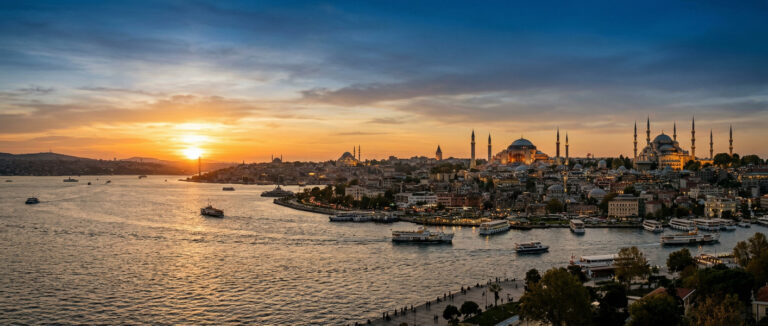
The feel as a whole
The View Changes as You TravelA city skyline, a coastal walk and an evening table can become different parts of one memorable visit.

A First Look at Türkiye
A journey through Türkiye brings historic cities, open coastlines, regional food and everyday encounters into the same travel story.
Begin with Istanbul’s skyline, follow the morning light into Cappadocia, or turn towards the Aegean and Mediterranean. Across Anatolia, traces of earlier civilisations sit beside the ordinary rhythms of markets, streets and shared meals.
This guide introduces those different sides together. It is a starting point for thinking about the kind of visit you want, rather than a fixed itinerary or a promise that every trip will feel the same.
History, city life, coast, countryside and hospitality can all be part of a visit. Looking at the connections between them helps you choose a route that suits your interests and pace.
History in depth
A stop in Istanbul, Ephesus, Cappadocia or Şanlıurfa places today’s visit beside visible traces of earlier life.
Relaxed coastlines
Along the Aegean and Mediterranean, coves and harbour towns provide a setting for summer evenings and time spent outdoors.
Hospitality at the table
Explore through a market visit, breakfast, regional dishes, tea or Turkish coffee; food gives the route a more personal setting.
A route that adapts
Brief city breaks and longer journeys combining coast and culture are both easy to put together.
The feel as a whole
The View Changes as You TravelA city skyline, a coastal walk and an evening table can become different parts of one memorable visit.
A well-placed country
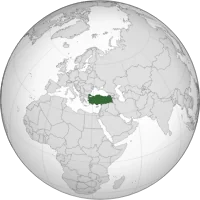
Türkiye lies at a meeting point of Europe, Asia and the Middle East. Routes of trade, movement and cultural exchange have left their mark on its cities, landscapes and daily life.
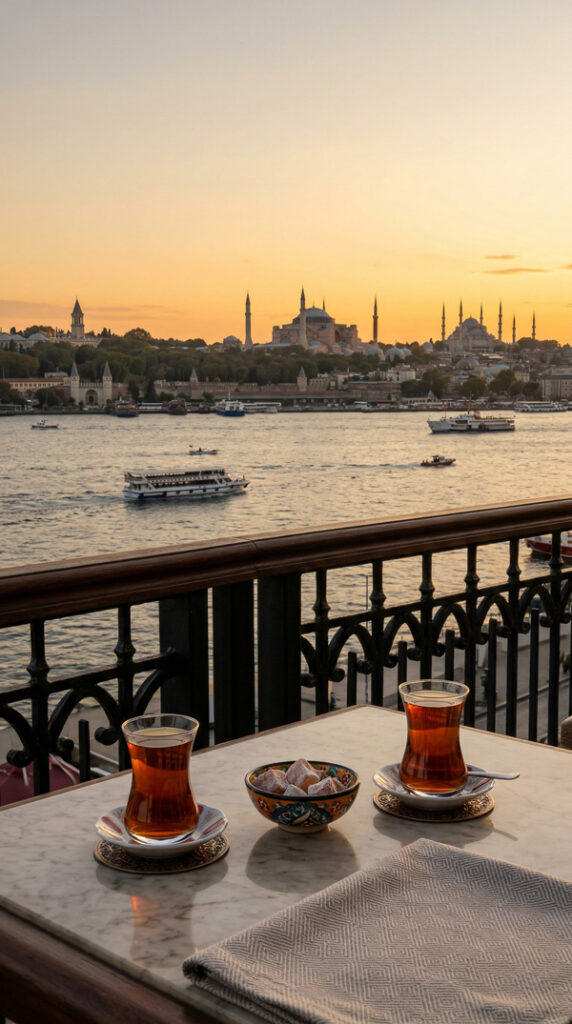
Alongside the major landmarks, leave room for the shoreline at dusk, the details of a neighbourhood and a quiet meal with a view.

City, coast, heritage and food offer different starting points. Together they give a fuller introduction than a single landmark can.
Getting a Feel for the Country
The appeal is in the contrasts: monumental cities and small everyday moments, lively shorelines and slower inland stops, ancient places and contemporary life.
Identity
One part of a journey may centre on old quarters, ports, places of worship and archaeology. Another may follow coastal towns, open-air evenings and the slower pace of the shore.
Meals, tea, coffee, walks and conversations give those places a more personal setting. A trip can move between these experiences without needing to fit a single holiday category.

Core idea
Cultural landmarks, landscapes and ordinary hospitality offer several ways to connect with Türkiye during the same visit.
Bazaars, ports, old neighbourhoods and places of worship sit alongside monuments. They help explain present-day cities as well as the past.
Moving between the coast, lakes, valleys, highlands and mountain roads can give successive days quite different settings.
Breakfast, meze, regional desserts, tea and Turkish coffee offer ways to connect the visit with local food habits and ordinary hospitality.
A short city visit and a longer journey through coast, countryside and cultural stops are different ways to approach the same country.
Three Ways into the Journey
These three themes provide a useful way to explore the country. Choose one as a starting point or combine them according to your available time and interests.
Axis map

History, urban life and cultural memory
Istanbul, Bursa, Edirne, Konya, Mardin, Şanlıurfa, İzmir and Ephesus reveal different connections between architecture, belief, trade and urban life. They offer more than a checklist of monuments.

Coastal life in the open air
Antalya, Kaş, Fethiye, Bodrum, Marmaris, Çeşme and Alaçatı offer different coastal settings for harbours, coves, walks, sunset views and meals outdoors.

Food, shared tables and the rhythm of everyday life
Local markets and meals give a route another layer: breakfast, tea, Turkish coffee, meze, kebab, seafood and regional desserts each introduce part of daily life.
A cultural visit can include a coastal pause, while a seaside holiday can include local history and food. The balance is yours to choose.
Reading the Past
Türkiye’s history is visible in archaeological sites, old streets and the fabric of present-day cities. Exploring these places puts the past in a setting you can walk through.
Strata of civilisation

Memory carved in stone
At Ephesus and other ancient cities, surviving structures give a sense of civic life and architectural scale. Across Anatolia, traces of trade, belief and settlement add other chapters to that picture.
Look at the spaces between the landmarks as well as the buildings themselves. Their relationship to today’s city or landscape often makes a visit more meaningful.

Archaeological heritage
Göbeklitepe introduces a much earlier chapter of human history. Seen alongside later cities and monuments, it helps convey the breadth of the country’s archaeological heritage.
A route from Göbeklitepe to Ephesus connects very different periods. Both belong in an introduction to the depth of Anatolia’s history.
Old streets, surviving buildings and the wider landscape give the visitor context for the objects and stories encountered along the way.
Buildings, Belief and Urban Memory
Domes, minarets, courtyards, places of worship and stone details help define the character of many Turkish cities.
What you see, what you remember
Inherited monuments
Hagia Sophia, Sultanahmet, Süleymaniye and Selimiye are among the landmarks associated with the country’s architectural heritage. Historic places of worship across Anatolia add further traditions and local settings.
These buildings connect architecture with the memory of a place. Consider their courtyards, surrounding streets and role in the city as well as the distant view.
The effect of architecture
A historic building can give a neighbourhood a focal point and a city a recognisable outline. Architecture is therefore part of the setting of a visit, rather than only a stop on a sightseeing list.
The skyline gives one impression; stonework, entrances and courtyards give another. Both can help explain the character of a place.
Four Starting Points
The four profiles below offer different ways to think about a visit: city life, Cappadocia’s landscapes, the coast and greener, slower getaways.
Route map
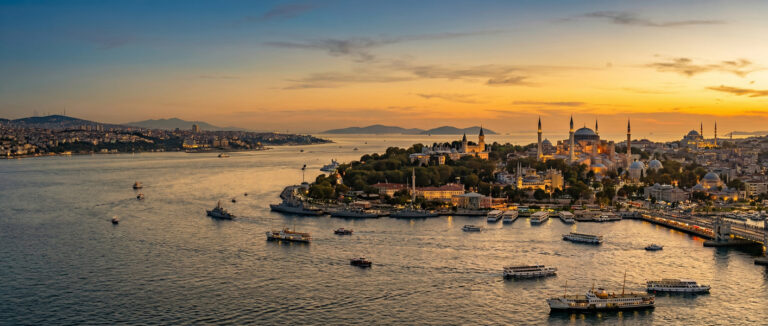
Urban depth
Skyline, water, motion, history and everyday life, all experienced at the same moment.
Istanbul offers a concentrated introduction to the country’s urban heritage. Imperial landmarks share the setting with ferries, neighbourhoods, the Bosphorus, bazaars and evening streets.
The historic setting continues beyond the monuments into walks, commerce and daily routines. Taking time for those surroundings adds context to the major sights.

Dream-like landscapes
Valleys of stone, sunrise, wide skies and a quiet visual power.
Allow time to notice Cappadocia’s valleys and rock formations, its cave heritage and the appearance of the landscape in early-morning light.
Cappadocia gives the itinerary a landscape-led perspective. Its quieter setting and distinctive views offer a different experience from the country’s cities and historic streets.
The pace of the coast
Harbour towns, blue coves, the rhythm of summer and an open-air feeling.
A coastal route through Antalya, Kaş, Fethiye, Bodrum, Marmaris, Çeşme and Alaçatı can explore the different towns as well as their relationship with the sea.
Harbours, coves, coastal roads and outdoor tables give this part of the itinerary several points of interest beyond the view alone.

A quiet escape into green
Highlands and tea gardens, lakes and cooler roads, and a pace that lets you breathe.
Black Sea highlands, lakeside settings and slower inland roads offer an alternative to the larger cities and busier parts of a journey.
Green landscapes, tea culture, lake views and unhurried stops invite a different pace. They can provide a quieter part of a wider route through the country.
You can focus on one atmosphere or connect several. The available time and your preferred pace should guide the choice.
Food and Everyday Hospitality
Food introduces a different side of travel: local ingredients, regional habits, conversation and the unhurried moments between the main stops.
Table map
What the table leaves behind
Breakfast, tea, Turkish coffee, meze, seafood, kebab, regional desserts and local markets offer many starting points for exploring food in Türkiye.
The experience includes the setting and the people as well as the dish. A market visit or an evening meal may become as memorable as a major landmark.

The breakfast table
A breakfast table can be a good place to slow the day down. It brings food, a view and time together into the same part of the trip.
Make space for regional food and ordinary café stops as well as sightseeing. They offer another way to get a feel for daily life.
Planning Around the Season
Spring, summer, autumn and winter place different parts of Türkiye in focus. Consider what you want from the trip when choosing when to visit.
A route for every month
Cultural routes, the coast, mountain stays and city visits each have a place in the country’s travel picture. Their setting and atmosphere change through the year.
Spring
Old-town walks, cultural stops, highland roads and visits to Aegean towns are ways to build a spring itinerary around both scenery and heritage.
For a first visit, spring offers another setting in which to meet the country’s cities and landscapes before the main summer period.
Summer
Summer places the focus on bays, beaches, marinas and meals outside. Coastal towns provide a setting for the season’s more social, open-air character.
Along the coast, the sea provides a setting for walks and evening plans as well as daytime activities, helping shape the rhythm of a summer stay.
Autumn
Autumn can suit a route centred on city walks, cultural visits and scenic drives, with room for a quieter pace between the main stops.
Visitors interested in combining local life, scenery and heritage can use the autumn setting to explore those interests within one route.

Winter
Winter introduces mountain accommodation, thermal areas and a different city atmosphere. These can form a slower itinerary with a stronger focus on individual places.
Snowy surroundings, thermal stops and warm interiors give the cooler months a different character. A visit at this time can be built around fewer, more unhurried experiences.
Seeing another region or coming in another season can give a familiar country a different character. There is no need to repeat the same route.
The Warmer Months
The Aegean and Mediterranean bring bays, harbour towns, coastal roads and outdoor tables into focus during a summer visit.
The Turkish summer
Coastal living
Antalya, Kaş, Fethiye, Bodrum, Marmaris, Çeşme and Alaçatı illustrate different settings along the coast. Consider the towns, scenery and evenings as well as time by the water.
A summer itinerary can leave room for a harbour walk, local food or a change of landscape. Choose the mix that fits the trip you want.
Summer dusk
Sunset, a walk and a meal outdoors bring a different mood to the coast after the daytime activities are over.
The shore can be a base for a lively visit or a slower one. The atmosphere of each town and the way you arrange your days will shape the experience.
Visiting in the Cooler Months
Snowy landscapes, mountain stays, city lights and thermal regions offer a different introduction to Türkiye during winter.
Winter in Türkiye
What winter offers
Mountain accommodation, snowy views, thermal regions and city visits can each form part of a winter itinerary. A slower route may suit travellers looking for time away from the summer rhythm.
Warm interiors and quieter moments can be part of the appeal. Plan around the places and activities you want to experience, rather than assuming one winter trip suits everyone.

Warmth in the cold season
Mountain scenery and accommodation provide a setting for both active days and time to rest. The combination gives a winter visit its own character.
Uludağ, Erciyes, Palandöken and the thermal regions are among the places associated with winter travel. Cities and slower inland stops offer further options.
Putting the Trip Together
Airports, domestic links, roads and different accommodation settings make it possible to consider more than one region. The practical arrangements still deserve time and attention.
Travelling around
Use the country’s airports and domestic connections as a starting point when considering how to combine cities, coast and inland stops.

Where the trip begins
Major airports, domestic flights and modern terminals form part of the travel infrastructure. Considering arrival and onward connections early helps give the itinerary a clearer shape.
Comfort also depends on the pace you choose. Allowing room between a city stay, a coastal visit and quieter stops can make a route easier to follow.
Easy onward links
The different regions invite combinations, but a satisfying itinerary need not include everything. Focus on the connections that suit the length and purpose of your visit.
Travel arrangements, accommodation choices and the pace of each day help turn a collection of interesting places into a workable visit.

The wider view
What makes Türkiye strong is precisely that it resists a single label.City, coast, history and everyday life join naturally in the memory of a single trip.

Shore and table
A single scene can hold both openness and everyday warmth.A coastal view and the ordinary setting of a meal offer two different ways to make the wider landscape feel more personal.

Up close
Closeness gives the grand scale a more human feel.A shoreline view or a meal in the evening can give a large landscape a personal point of reference. Such ordinary moments often stay alongside the landmarks when travellers remember a visit.
Bringing the Journey Together
Cities, coast, history, landscapes and shared meals offer different ways to remember Türkiye.
The places may be large and impressive, yet the smaller details often give them a personal meaning: a view from the shore, a neighbourhood walk or a meal at the end of the day.
Use this guide as an introduction to those possibilities and choose the route, season and pace that fit your own visit.
What photographs leave behind
Photographs can introduce a place, but they cannot contain the variety of the Republic of Türkiye.

A great city remembered
Carried by the skyline and the water, the strong first impression endures.The city is vast in scale, yet it still feels close and human.

Through your own eyes
A small moment can make a big picture last longer.A small moment with a view can add a personal association to a landscape, helping the traveller remember more than its appearance.

Shared moments on the coast
Within the landscape, the social mood becomes stronger.Shared time by the coast can bring scenery and everyday hospitality into the same part of the visit, rather than treating them as separate experiences.

Time to unwind
When you need it, the pace eases and the country takes on a restorative tone.Through water, silence and scenery, Türkiye reveals a restful side alongside its lively one.

Remembering the open coast
Even in the final impression, the coastline keeps a feeling of space alive.The sea line and the open horizon show the country’s spacious, airy side.

A blue horizon
The coastal rhythm can carry on without weakening the strength of the landscape.Mountain and sea lines combine, so even the lighter side keeps its strength.
Türkiye: a country imprinted on the memory
These views bring together city, coast, history and the table. They are an introduction to the country’s different settings, not a substitute for the details of an individual itinerary.

In this view, the city and its flow merge into one memory.

Scenery and motion follow a single line.

At one glance, the different layers support each other.
The memory of a journey may be a sequence of places and ordinary encounters rather than one landmark. Leave room for both when planning the visit.